Guest article from  tastepak.com.

Photo By Pexels

In today’s fast-paced world, many people focus on physical health through exercise and nutrition while overlooking another important aspect of wellbeing: creativity.

Creative activities offer more than just entertainment. They provide an opportunity to relax, reduce stress, improve focus, and create meaningful experiences that support overall mental wellness.

Whether it’s photography, drawing, journaling, crafting, or simply exploring visual inspiration, creative hobbies can become a valuable part of a balanced and healthy lifestyle.

Creativity Helps Reduce Stress

Modern life often involves constant notifications, busy schedules, and endless responsibilities. Over time, this can lead to mental fatigue and increased stress levels.

Creative activities encourage people to slow down and focus on a single task. This shift in attention can help quiet mental distractions and create a sense of calm.

Many people describe creative hobbies as a form of mindfulness because they encourage being present in the moment rather than worrying about future tasks or past events.

Even spending a short amount of time each day on a creative activity can provide a welcome break from everyday pressures.

Photography Encourages Mindfulness

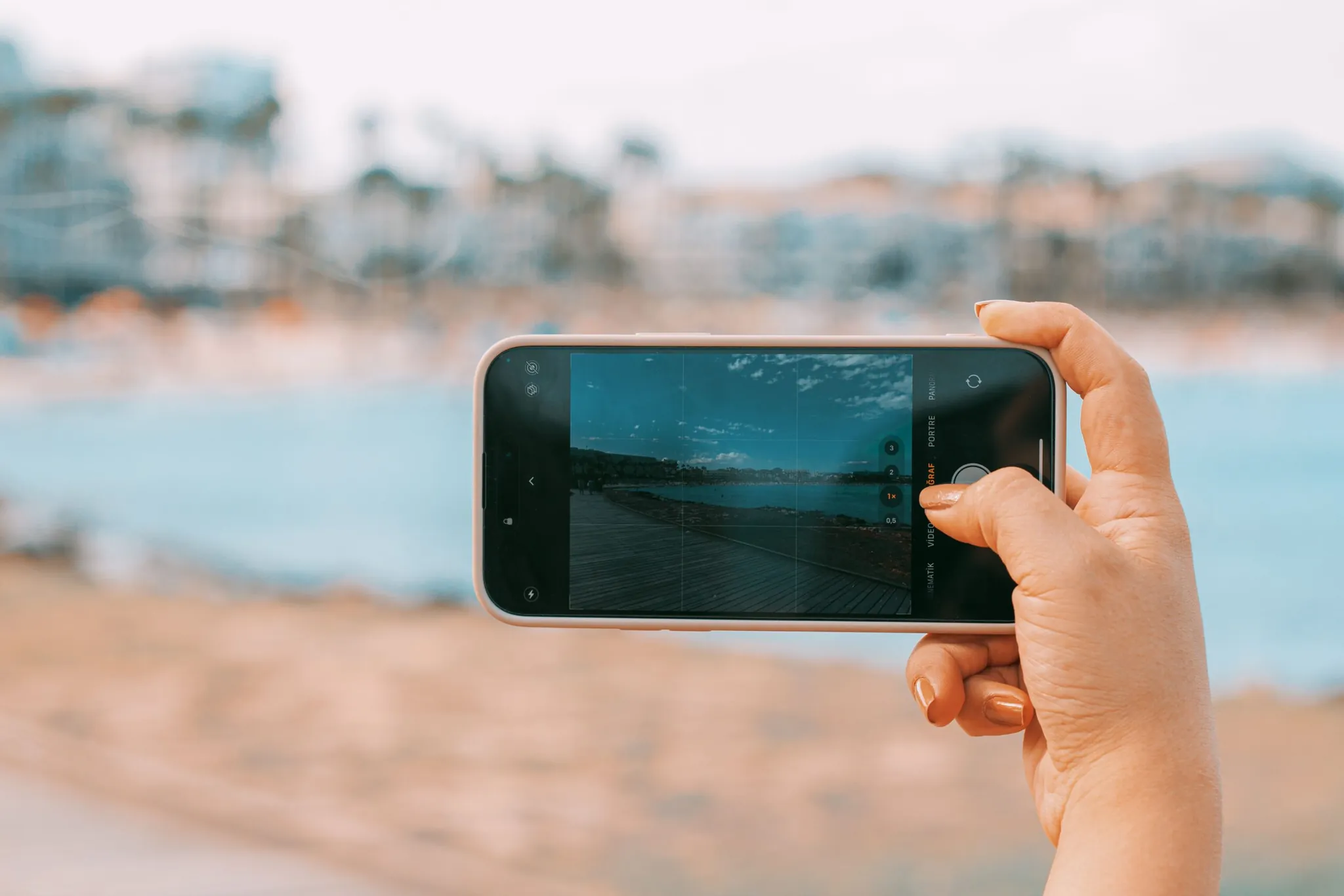
Photography is one of the most accessible creative hobbies available today. Nearly everyone has access to a smartphone camera, making it easy to capture moments, landscapes, and everyday experiences.

What makes photography particularly beneficial for wellbeing is that it encourages observation. People begin to notice details they might otherwise overlook:

  • changing seasons,
  • interesting textures,
  • natural light,
  • architectural patterns,
  • and unique color combinations.

By paying closer attention to the world around them, photographers often develop a greater appreciation for everyday moments.

For those interested in exploring colors within their photographs, tools such as Colorik’s Color Picker from Image can help identify and analyze color palettes from personal photos, making the creative process even more engaging and educational.

The Connection Between Color and Mood

Color has a powerful influence on how people experience their surroundings.

Soft blues and greens are often associated with calmness and relaxation, while brighter colors can evoke feelings of energy, optimism, and creativity. Although color perception varies from person to person, becoming more aware of color can enhance mindfulness and appreciation of everyday environments.

Photography provides an excellent opportunity to explore these relationships. By observing and capturing colors found in nature, architecture, and daily life, individuals often develop a deeper connection with their surroundings.

This simple practice can turn an ordinary walk into a creative and rewarding experience.

Creative Projects Strengthen Positive Memories

Another benefit of creative hobbies is their ability to help preserve meaningful experiences.

Many people capture photos during family gatherings, holidays, travel adventures, or important milestones. Revisiting these memories through creative projects can enhance feelings of gratitude and connection. Some people enjoy creating:

  • photo albums,
  • memory boards,
  • scrapbooks,
  • printed journals,
  • or framed photo collections.

These projects allow individuals to celebrate positive moments and create lasting reminders of meaningful experiences.

When preparing images for printing, it can be helpful to ensure they are correctly sized for different paper formats. Tools like WebYurt’s Resize Image for Printing tool can simplify the process and help achieve better printing results for personal projects such as family photo albums, vision boards, or gratitude journals.

Creativity Encourages Lifelong Learning

Creative hobbies also provide opportunities for continuous learning and personal growth.

Whether someone is learning photography techniques, experimenting with new artistic styles, or developing design skills, creativity encourages curiosity and exploration.

Learning new skills can improve confidence and provide a sense of achievement, both of which contribute positively to overall wellbeing.

Unlike many goal-oriented activities, creative hobbies often allow people to enjoy the process itself rather than focusing solely on outcomes.

This can make them particularly rewarding and sustainable over time.

Building Creativity Into Daily Life

Many people assume they need large amounts of free time to be creative, but even small creative habits can make a difference. Simple ideas include:

  • Taking photos during daily walks.
  • Creating a journal with favorite memories.
  • Exploring colors and design inspiration.
  • Sketching for a few minutes each day.
  • Printing and organizing meaningful photographs.
  • Starting a scrapbook or vision board.
  • Experimenting with creative digital projects.

The goal isn’t perfection. It’s simple to create opportunities for self-expression and enjoyment.

Final Thoughts

Wellbeing is about more than physical health. Mental and emotional wellness are equally important, and creative hobbies can play a valuable role in supporting both.

Activities such as photography, journaling, crafting, and visual exploration encourage mindfulness, reduce stress, strengthen positive memories, and provide opportunities for lifelong learning.

By making creativity a regular part of daily life, individuals can develop healthier routines, experience greater enjoyment, and support their overall wellbeing in simple yet meaningful ways.

Sometimes, the most effective wellness habits aren’t the most complicated; they’re the activities that help us slow down, appreciate the present moment, and express ourselves creatively.

 

A Guest Article from tastepak.com

When people think about improving their health and wellbeing, they often imagine dramatic changes; intense fitness plans, strict diets, or expensive retreats abroad.

But in reality, long-term wellbeing is usually built through much smaller, more consistent habits.

Tiny decisions repeated daily tend to have a bigger impact than occasional bursts of motivation. And the good news is: these habits don’t require a complete lifestyle reset.

They just require awareness and a bit of structure.

Why Small Habits Work Better Than Big Changes

Big lifestyle changes are exciting at first, but they’re often difficult to maintain.

Small habits, on the other hand, are:

  • easier to repeat,
  • less overwhelming,
  • more sustainable,
  • and easier to adapt over time.

Things like improving sleep routines, drinking more water, walking regularly, or taking short breaks from screens can gradually transform both mental and physical wellbeing.

Over time, these small actions compound into noticeable improvements in energy, mood, and focus.

The Role of Mental Clarity in Overall Wellness

Wellbeing isn’t just physical; mental clarity plays a huge role too.

Stress, digital overload, and constant notifications can quietly drain energy throughout the day.

Many people find that improving their environment, both physical and digital, helps restore a sense of balance.

Even small steps like organizing digital files, reducing visual clutter, or improving how we store and process everyday content can create a calmer mindset.

This is where simple digital tools can quietly support wellbeing.

For example, tools like the Toolonic Image Enhancer can help improve the quality of personal or professional images quickly, without complicated software. While it might seem like a small thing, removing friction from everyday tasks can reduce stress and save mental energy.

When daily tools feel effortless, life feels a bit more manageable.

Wellbeing Is Also About How You Experience Life

Improving wellbeing isn’t only about routines; it’s also about perception.

How we experience moments, memories, and even simple activities can influence overall happiness.

For example:

  • taking clearer photos of important moments,
  • appreciating everyday routines,
  • and staying more present during daily activities.

Even small improvements in how we capture or revisit memories can subtly enhance emotional wellbeing.

Platforms like Qasli explore different approaches to improving overall wellness, focusing on practical strategies that support healthier thinking, habits, and lifestyle balance.

Digital Wellness Matters Too

In today’s world, wellbeing is no longer just about diet and exercise; it also includes digital habits.

People spend hours every day interacting with screens, content, and online platforms. Without balance, this can lead to fatigue and reduced focus.

Simple adjustments can help:

  • reducing unnecessary screen time,
  • improving digital organization,
  • using tools that streamline tasks,
  • and being more intentional with online activity.

The goal isn’t to disconnect completely, but to create healthier digital boundaries.

The Power of Consistency Over Perfection

One of the biggest misconceptions about wellness is that it requires perfection.

In reality, consistency matters far more.

A short daily walk is more effective than an intense workout once a month. Drinking more water regularly is better than occasional strict dieting. Small mental resets throughout the day are more impactful than rare vacations.

Wellbeing is built quietly, through repetition.

Final Thoughts

Improving wellbeing doesn’t need to be complicated or overwhelming.

By focusing on small habits, simplifying daily routines, and using helpful tools that reduce friction in life, people can gradually build a healthier and more balanced lifestyle.

Over time, these small improvements add up; not just physically, but mentally and emotionally too.

And often, the simplest changes are the ones that last the longest.

Photo Source Pixabay

A guest article from Tastepak


Maintaining a healthy lifestyle goes beyond just diet and exercise; it’s about embracing wellness as a global journey enriched by diverse cultures and landscapes. From the bustling streets of Dubai to the serene landscapes of Turkey, here are some exceptional destinations where families can savor nutritious cuisine, engage in invigorating fitness activities, and immerse themselves in local wellness practices.


Dubai, UAE: A Hub of Fitness and Culinary Delights

Dubai is not only a playground for luxury and innovation but also a haven for health-conscious travelers seeking active adventures and wholesome dining experiences.


Fitness Hotspots: The city offers a myriad of options from beachfront jogging along Kite Beach to cycling in Al Barsha Park. Dubai Fitness Challenge, an annual event, encourages residents and visitors to engage in 30 minutes of daily activity for 30 days, promoting a city-wide fitness culture.


Culinary Scene: Dubai’s dining scene caters to health enthusiasts with a plethora of vegan, organic, and locally sourced options. From trendy cafes in Jumeirah to fine dining establishments in Downtown, families can indulge in nutritious meals that reflect the city’s multicultural flair.


Turkey: Where Tradition Meets Wellness

Turkey’s rich history and diverse landscapes provide a perfect backdrop for wellness pursuits, blending ancient practices with modern amenities.


Historic Baths: Experience the therapeutic benefits of Turkish baths, known as hammams, in Istanbul or Cappadocia. These traditional spa treatments combine steam, massage, and exfoliation for a rejuvenating experience.


Outdoor Activities: Turkey’s natural beauty invites families to explore hiking trails in Cappadocia’s fairy chimneys or sailing along the Aegean coast. Bodrum and Antalya offer opportunities for water sports like snorkeling, diving, and paddleboarding, promoting both physical activity and connection with nature.


Healthy Cuisine: Turkish cuisine emphasizes fresh ingredients and Mediterranean flavors. Enjoy dishes like grilled kebabs, mezes (appetizers), and salads bursting with locally sourced vegetables and herbs. Farmers’ markets in cities like Istanbul and Izmir showcase seasonal produce and artisanal products, ideal for culinary exploration.


Embracing Wellness Globally

Beyond Dubai and Turkey, several destinations worldwide offer unique opportunities for families to prioritize health and wellness during their travels:


Bali, Indonesia: Known for its yoga retreats, holistic healing centers, and organic cafes amidst lush rice terraces and serene beaches.


Costa Rica: Explore rainforests, volcanic landscapes, and Pacific beaches while indulging in farm-to-table cuisine and adventure activities like zip-lining and surfing.


New Zealand: From hiking in Fiordland National Park to wellness retreats in Rotorua’s geothermal springs, New Zealand offers a balance of outdoor adventure and relaxation.


Tips for Healthy Travel

Plan Ahead: Research local wellness activities, fitness classes, and healthy dining options before you travel.


Stay Hydrated: Carry reusable water bottles and prioritize hydration, especially in warm climates or during physical activities.


Balance Indulgences: While exploring new cuisines, maintain a balance between indulgence and nutritious choices to support overall well-being.


In conclusion, integrating fitness, nutrition, and wellness into family travels enhances the experience by fostering holistic health and creating lasting memories. Whether practicing yoga in Bali, exploring Turkish hammams, or jogging along Dubai’s beaches, each destination offers unique opportunities to embrace a healthy lifestyle while discovering the world’s cultural diversity. So, pack your sneakers, embrace local flavors, and embark on a journey of wellness and exploration with your loved ones!