
Guest article from tastepak.com.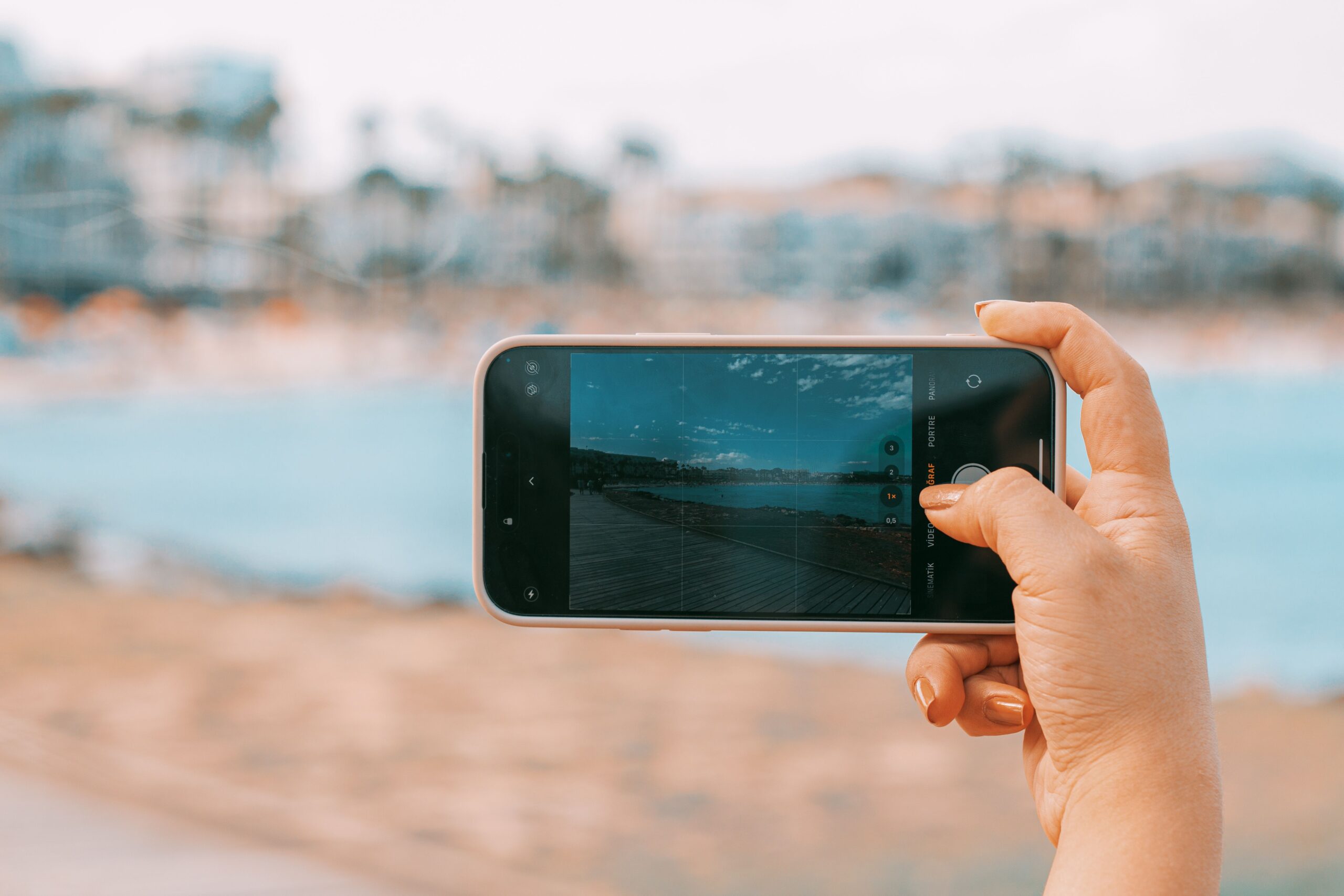
Photo By Pexels
In today’s fast-paced world, many people focus on physical health through exercise and nutrition while overlooking another important aspect of wellbeing: creativity.
Creative activities offer more than just entertainment. They provide an opportunity to relax, reduce stress, improve focus, and create meaningful experiences that support overall mental wellness.
Whether it’s photography, drawing, journaling, crafting, or simply exploring visual inspiration, creative hobbies can become a valuable part of a balanced and healthy lifestyle.
Creativity Helps Reduce Stress
Modern life often involves constant notifications, busy schedules, and endless responsibilities. Over time, this can lead to mental fatigue and increased stress levels.
Creative activities encourage people to slow down and focus on a single task. This shift in attention can help quiet mental distractions and create a sense of calm.
Many people describe creative hobbies as a form of mindfulness because they encourage being present in the moment rather than worrying about future tasks or past events.
Even spending a short amount of time each day on a creative activity can provide a welcome break from everyday pressures.
Photography Encourages Mindfulness
Photography is one of the most accessible creative hobbies available today. Nearly everyone has access to a smartphone camera, making it easy to capture moments, landscapes, and everyday experiences.
What makes photography particularly beneficial for wellbeing is that it encourages observation. People begin to notice details they might otherwise overlook:
- changing seasons,
- interesting textures,
- natural light,
- architectural patterns,
- and unique color combinations.
By paying closer attention to the world around them, photographers often develop a greater appreciation for everyday moments.
For those interested in exploring colors within their photographs, tools such as Colorik’s Color Picker from Image can help identify and analyze color palettes from personal photos, making the creative process even more engaging and educational.
The Connection Between Color and Mood
Color has a powerful influence on how people experience their surroundings.
Soft blues and greens are often associated with calmness and relaxation, while brighter colors can evoke feelings of energy, optimism, and creativity. Although color perception varies from person to person, becoming more aware of color can enhance mindfulness and appreciation of everyday environments.
Photography provides an excellent opportunity to explore these relationships. By observing and capturing colors found in nature, architecture, and daily life, individuals often develop a deeper connection with their surroundings.
This simple practice can turn an ordinary walk into a creative and rewarding experience.
Creative Projects Strengthen Positive Memories
Another benefit of creative hobbies is their ability to help preserve meaningful experiences.
Many people capture photos during family gatherings, holidays, travel adventures, or important milestones. Revisiting these memories through creative projects can enhance feelings of gratitude and connection. Some people enjoy creating:
- photo albums,
- memory boards,
- scrapbooks,
- printed journals,
- or framed photo collections.
These projects allow individuals to celebrate positive moments and create lasting reminders of meaningful experiences.
When preparing images for printing, it can be helpful to ensure they are correctly sized for different paper formats. Tools like WebYurt’s Resize Image for Printing tool can simplify the process and help achieve better printing results for personal projects such as family photo albums, vision boards, or gratitude journals.
Creativity Encourages Lifelong Learning
Creative hobbies also provide opportunities for continuous learning and personal growth.
Whether someone is learning photography techniques, experimenting with new artistic styles, or developing design skills, creativity encourages curiosity and exploration.
Learning new skills can improve confidence and provide a sense of achievement, both of which contribute positively to overall wellbeing.
Unlike many goal-oriented activities, creative hobbies often allow people to enjoy the process itself rather than focusing solely on outcomes.
This can make them particularly rewarding and sustainable over time.
Building Creativity Into Daily Life
Many people assume they need large amounts of free time to be creative, but even small creative habits can make a difference. Simple ideas include:
- Taking photos during daily walks.
- Creating a journal with favorite memories.
- Exploring colors and design inspiration.
- Sketching for a few minutes each day.
- Printing and organizing meaningful photographs.
- Starting a scrapbook or vision board.
- Experimenting with creative digital projects.
The goal isn’t perfection. It’s simple to create opportunities for self-expression and enjoyment.
Final Thoughts
Wellbeing is about more than physical health. Mental and emotional wellness are equally important, and creative hobbies can play a valuable role in supporting both.
Activities such as photography, journaling, crafting, and visual exploration encourage mindfulness, reduce stress, strengthen positive memories, and provide opportunities for lifelong learning.
By making creativity a regular part of daily life, individuals can develop healthier routines, experience greater enjoyment, and support their overall wellbeing in simple yet meaningful ways.
Sometimes, the most effective wellness habits aren’t the most complicated; they’re the activities that help us slow down, appreciate the present moment, and express ourselves creatively.